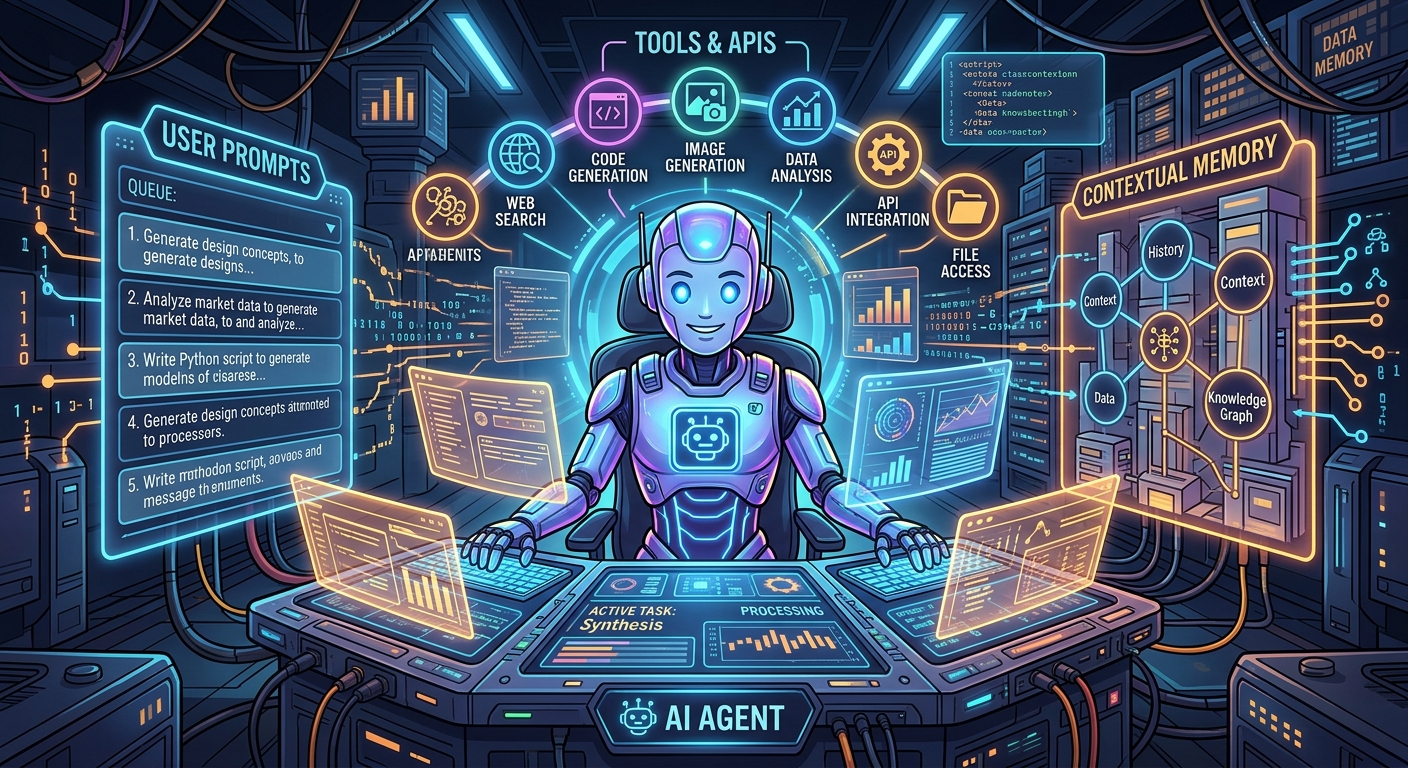
AI can transform how a business operates, but there's a big decision to make first: should you build your own AI tools or buy existing ones? Each approach has benefits and drawbacks, and the right choice often depends on your specific needs and situation.
Start with the bit that's costing you money
Identify where AI can make a difference in your business. Perhaps you're losing customers because of missed calls, struggling to keep track of leads, or wasting time on repetitive tasks. Understanding the problem that needs solving is crucial. If the issue is time-sensitive or requires a very specific solution, buying might be quicker and more cost-effective. But if your problem is unique or part of your core business strategy, building might give you the flexibility and control you need.
Weigh the costs and benefits
Buying AI tools can be less expensive upfront. You save on development time and can often use the tools right away. These tools typically come with support and updates, which is handy if you don't have an in-house tech team. However, they might not fit your exact needs, potentially leading to workarounds or compromising on certain features.
Building your own AI tools requires a bigger initial investment. You'll need a team with the right skills and the time to develop, test, and deploy your solution. But this investment can pay off if the tool gives you a competitive edge or integrates seamlessly with your processes. Custom-built tools can adapt as you grow, tailored to your changing needs.
Consider the long-term implications
Think about the future. Will the tool need updating or scaling? A bought tool might become obsolete if the vendor stops supporting it or if your requirements outgrow its capabilities. On the other hand, a custom-built tool can evolve with your business, as long as you have the resources to maintain and adapt it.
Security is another consideration. Buying tools often means relying on the vendor for security, while building in-house lets you set your own security standards. If data protection is a priority, ensure whichever route you take aligns with your requirements.
Make an informed choice
Before deciding, map out your needs, budget, and resources. Evaluate whether a ready-made product meets your requirements or if the long-term benefits of building your own justify the extra effort and cost. Whichever path you take, the goal is to choose a solution that enhances your business operations without unnecessary complications.
Whether you decide to build or buy, we can help you navigate the complexities of AI integration, ensuring that the decision you make is the best one for your business.